Understanding penicillin allergy

- Home
- For Patients and Carers
- Understanding penicillin allergy
What is penicillin allergy?
Penicillin is a type of antibiotic used to treat bacterial infections. If you are allergic, your immune system sees penicillin as harmful and reacts against it. This can cause mild to moderate reactions such as skin rashes or hives. Or severe reactions like anaphylaxis or severe cutaneous adverse reactions (SCARs).
Anaphylaxis is a sudden, severe allergic reaction that can affect the whole body. It includes symptoms such as difficulty breathing and high blood pressure. It can be life-threatening and needs immediate treatment with adrenaline.
Severe cutaneous adverse reactions (SCARs) are rare but serious reactions that affect the skin and sometimes internal organs too. Unlike a mild rash, they can cause blistering, peeling or widespread damage to the skin, and often require hospital treatment.
So why test for penicillin allergy?
Studies have shown that most people who were told they had a penicillin allergy at some point in their life, were not actually allergic when they were tested.
Penicillin is a very effective antibiotic, so if you can safely take it, you should. If you are at risk of a severe reaction it is important to know, so you can avoid having a serious reaction.

Why are many people thought to be penicillin allergic?
The illness itself (not the penicillin) may have caused the symptoms
Common side effects like diarrhea and headache are often mistaken for an allergy.
Doctors may have recorded “penicillin allergy” based on unclear or mild symptoms to avoid the risk of a future reaction.
Why does awareness matter?

It ensures you are given the best antibiotics if you have future infections
Penicillin is often the most effective and safest treatment for many infections. If you are wrongly assumed to be allergic to penicillin, you may be given antibiotics that may not work as well, or have more unwanted side effects.

Taking the right antibiotic from the start can prevent long hospital stays and emergency visits
Research shows that patients who have a penicillin allergy recorded on their medical record stay longer in hospital, have more visits to the emergency department, have more admissions to hospital and experience more complications.2-6
Checking that the allergy information in your medical record is accurate can improve these outcomes.

It can improve your future health outcomes
Accurate allergy information in your electronic medical record is critical as it helps doctors treat infections more effectively, supporting better long-term health.

Taking the right antibiotics reduces antimicrobial resistance and your risk of future infections
Taking the right antibiotic ensures that bacteria are killed quickly and effectively, reducing the chance of the bacteria becoming resistant to antibiotics, giving you the best chance to recover from your infection.

It can reduce costs for you and the healthcare system
Preventing unnecessary use of second-line antibiotics can prevent longer hospital stays and reduce complications such as ongoing infections, which carry a health cost to you and our healthcare system.
Penicillin Allergies: Myth or Fact?
Myth
Fact
Developing a rash after taking penicillin means you’re allergic.
In many cases, the rash is due to the underlying infection rather than a true allergic reaction. By understanding more about your history and undergoing testing, a doctor can check this for you.
Other types of antibiotics work just as well as penicillin.
Other antibiotics may be less effective (not work as well), cause more unwanted side effects (unpleasant symptoms), and contribute to the rising rates of infections with bacteria that are resistant to antibiotics.
If after taking penicillin I experience side effects such as diarrhoea, headache and thrush, this means I am allergic.
Symptoms like diarrhoea, headache and thrush are likely side effects and not signs of an allergic reaction.
Penicillin allergy is common.
While many people think they are allergic, 9 out of 10 these people when tested, are not truly allergic.
Avery's Story
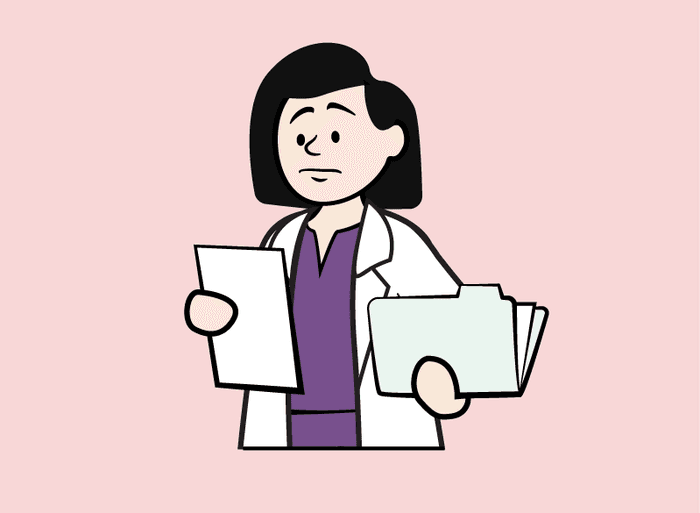 1
1Avery has had “penicillin allergy” recorded on her medical record since childhood.
She was told that she developed a rash after taking penicillin when she was about 5 years old.
Avery was never tested to confirm whether she is truly allergic to penicillin.
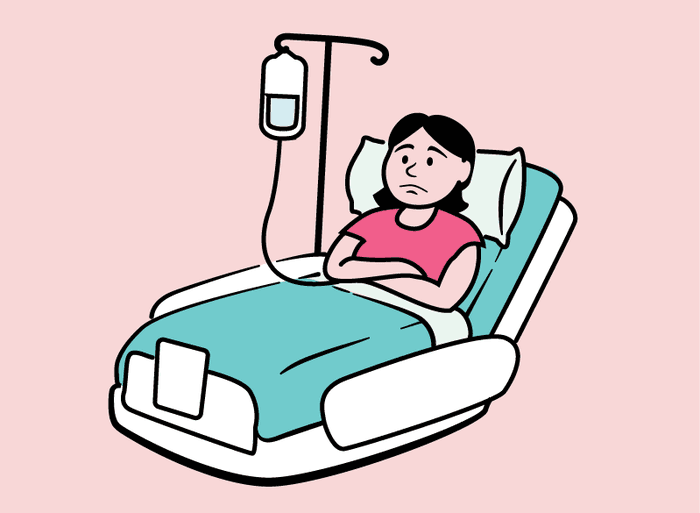 2
2Avery had an unexpected hospital visit
When Avery was 34, she presented to the emergency department with an acute bacterial infection.
 3
3Avery was prescribed an alternative antibiotic.
The doctor noticed that “penicillin allergy” was listed on Avery’s medical record and therefore prescribed an alternative second line antibiotic to treat the infection.
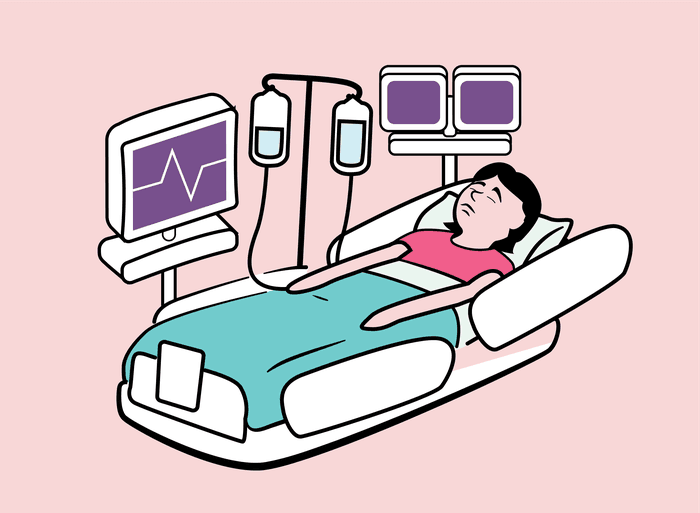 4
4Avery experienced severe complications.
The alternative antibiotic led to a secondary infection that caused severe bloody diarrhoea requiring treatment in the intensive care unit.
2 Arnold A, Coventry LL, Foster MJ, Koplin JJ, Lucas M. The burden of self-reported antibiotic allergies in health care and how to address it: a systematic review of the evidence. The Journal of Allergy and Clinical Immunology: In Practice. 2023;11(10):3133-3145. e3133.
3 Solensky R. Penicillin allergy as a public health measure. J Allergy Clin Immunol. 2014;133(3):797-798.
4 MacFadden DR, LaDelfa A, Leen J, et al. Impact of Reported Beta-Lactam Allergy on Inpatient Outcomes: A Multicenter Prospective Cohort Study. Clin Infect Dis. 2016;63(7):904-910.
5 Lee CE, Zembower TR, Fotis MA, et al. The incidence of antimicrobial allergies in hospitalized patients: implications regarding prescribing patterns and emerging bacterial resistance. Arch Intern Med. 2000;160(18):2819-2822.
6 Ali SB, Hughes T, Smith A. Penicillin or cephalosporin antibiotic allergy label: Influence on length of stay and hospital readmission. Journal of Allergy and Clinical Immunology: Global. 2024;3(3):100272.