- Home
- Programs
- Shared care for allergy
- Associateship of Clinical Allergy (ACA)
- Associateship of Clinical Allergy - Trainee Information
Associateship of Clinical Allergy - Trainee Information
The Associateship of Clinical Allergy (ACA) is a clinically focused, two-year course for general practitioners and paediatricians working in regional, rural, and underserved communities across Australia. Delivered by the National Allergy Council and supported by ASCIA, the ACA supports clinicians to safely and confidently manage allergic disease in local settings.
What to expect
Trainees in the ACA will:
Develop practical allergy knowledge through real-world clinical case studies
Engage in live, case-based webinars with experts in allergy and associated specialties
Complete structured online learning and pre-reading via the CANVAS platform
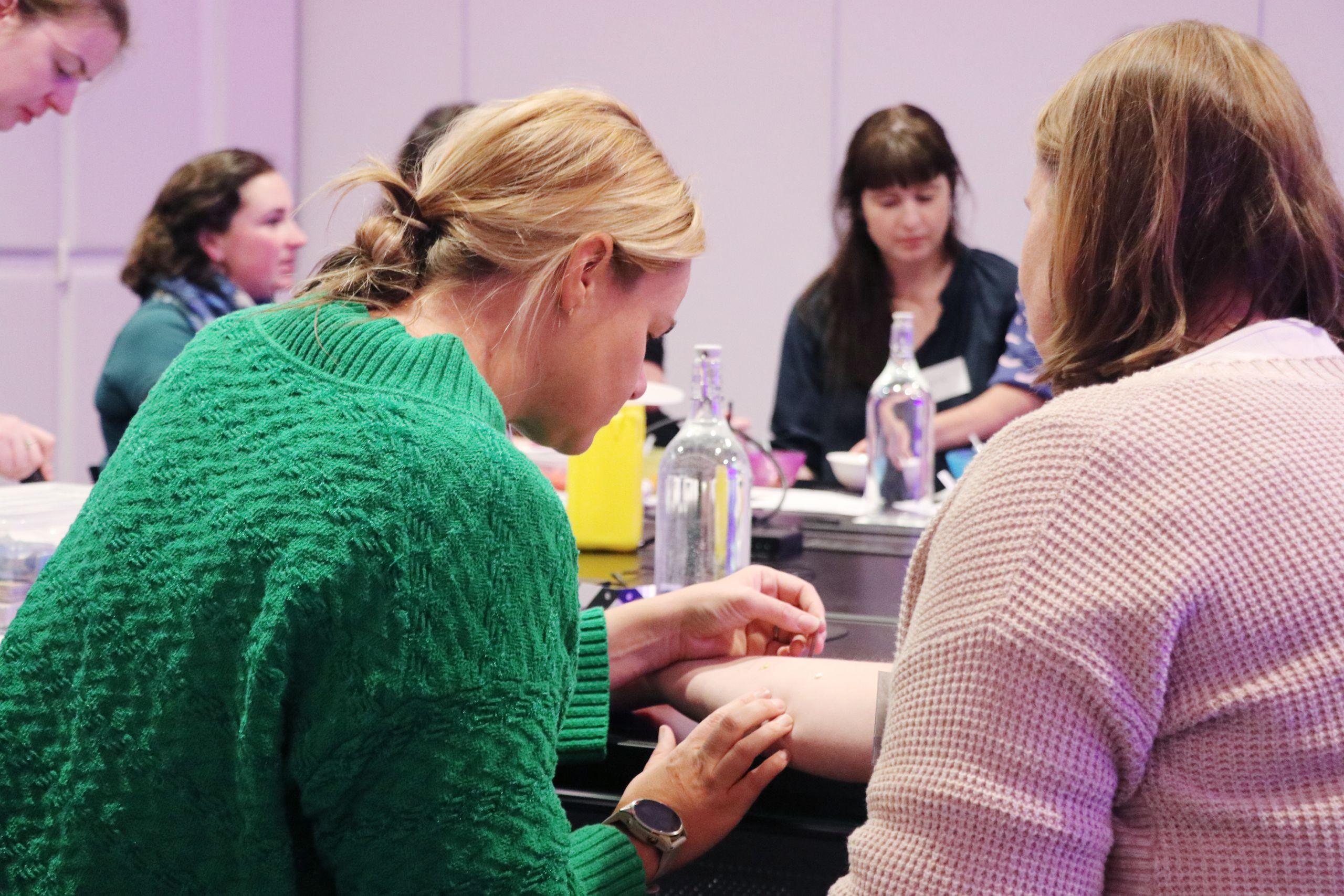
Attend a two-day, face-to-face workshop, at the start of each Semester
Receive mentorship and supervision through clinical attachments
Participate in an ongoing community of practice to access professional support and share learnings
Receive ongoing feedback and an end of semester report
Course components
ACA is a two-year, part-time course consisting of four units:
Unit 1: Anaphylaxis and hypersensitivity reactions
Unit 2: Food allergy and other adverse reactions to food
Unit 3: Aeroallergy
Unit 4: Allergy and the skin
Each unit includes:
Pre-reading materials
Online course content
Quizzes and surveys
A two-day in-person workshop
Weekly interactive webinars
Clinical supervision and observed practice
Presentation of trainee case studies
Participation in a peer and supervisor discussion forum
Supervision and Clinical Practice
Trainees will be matched with two experienced supervisors who will provide the trainee with opportunities to observe their allergy clinics. The supervisors will also observe the trainee performing allergy consultations and provide opportunity for post-case discussion and reflection. The clinical attachment is flexible and can be performed online to overcome the challenges of distance.
Cost
There is a cost to complete the Associateship course. Trainees will also need to self-fund travel and accommodation to attend up to four in-person workshops and maintain ongoing membership with ASCIA. More information about the course, eligibility, entry requirements and expectations is included in the Information for ACA course applicants PDF.
Important dates
Applications for the course opened on Thursday 20 August 2026 and closed on Sunday 13 September 2026.
ACA Unit 1 will begin in February 2027.
Applications are now closed.
Expressions of interest for future intakes
Please submit the form below to express your interest in applying for future intakes.
“The ACA course has been an extremely valuable and enjoyable learning experience. It has significantly strengthened my practical skills in allergy care, and I have been able to apply this learning directly by conducting allergy clinics and supervised food challenges as I work towards establishing an allergy service.
The supervisors have been exceptionally supportive and approachable throughout the course. The strong emphasis on practical, clinically applicable learning is what distinguishes the ACA course from many other allergy courses”
ACA Trainee 2026
Further information
Find out more about the Associateship of Clinical Allergy.
Information about this course and the Shared Care for Allergy Program
The ACA course has been developed as part of the National Allergy Council’s Shared Care for Allergy program, which aims to improve access to high-quality allergy care by providing targeted training and support to healthcare professionals in rural and regional areas of Australia.