Shared Care for Allergy Bulletin May 2026 - Edition 15
- Home
- Programs
- Shared care for allergy
- Bulletin
- Shared Care for Allergy Bulletin May 2026 - Edition 15
Welcome to the 15th Edition of the National Allergy Council’s Shared Care for Allergy Bulletin. The National Allergy Council, a partnership between Allergy & Anaphylaxis Australia (A&AA) and The Australasian Society of Clinical Immunology & Allergy (ASCIA), is sharing this Bulletin to keep you up to date on the latest developments in the Shared Care for Allergy Program. This program is a collaborative effort led by the National Allergy Council, A&AA and ASCIA. Our organisations are working together to improve access to quality care for Australians living with allergic disease.
Progress made together
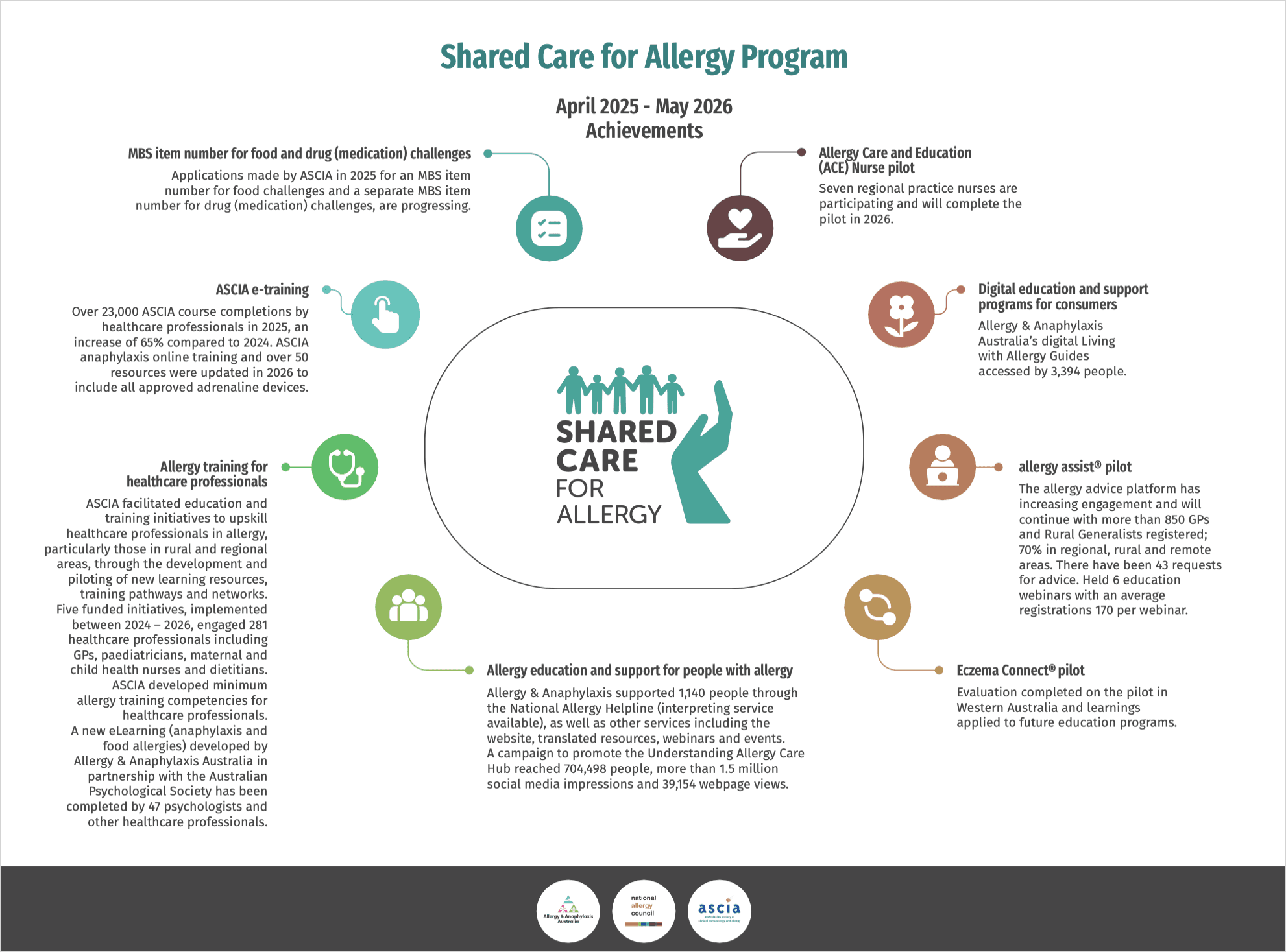
We are pleased to summarise the achievements from the 2025 – 2026 Implementation Roadmap. The program continues to build momentum, with important milestones now completed and several priority activities progressing well. The progress achieved reflects the collective effort, collaboration, and commitment of partners, stakeholders, and working group members.
Thank you to the Shared Care Working Group
The Shared Care for Allergy Working Group met in person in May. The Working Group has representation from consumers and health professional bodies with different backgrounds and experiences. The Working Group has played a central role in shaping outcomes and ensuring the program remains aligned with its objectives of right care, at the right time, in the right place, from the right healthcare professional(s).
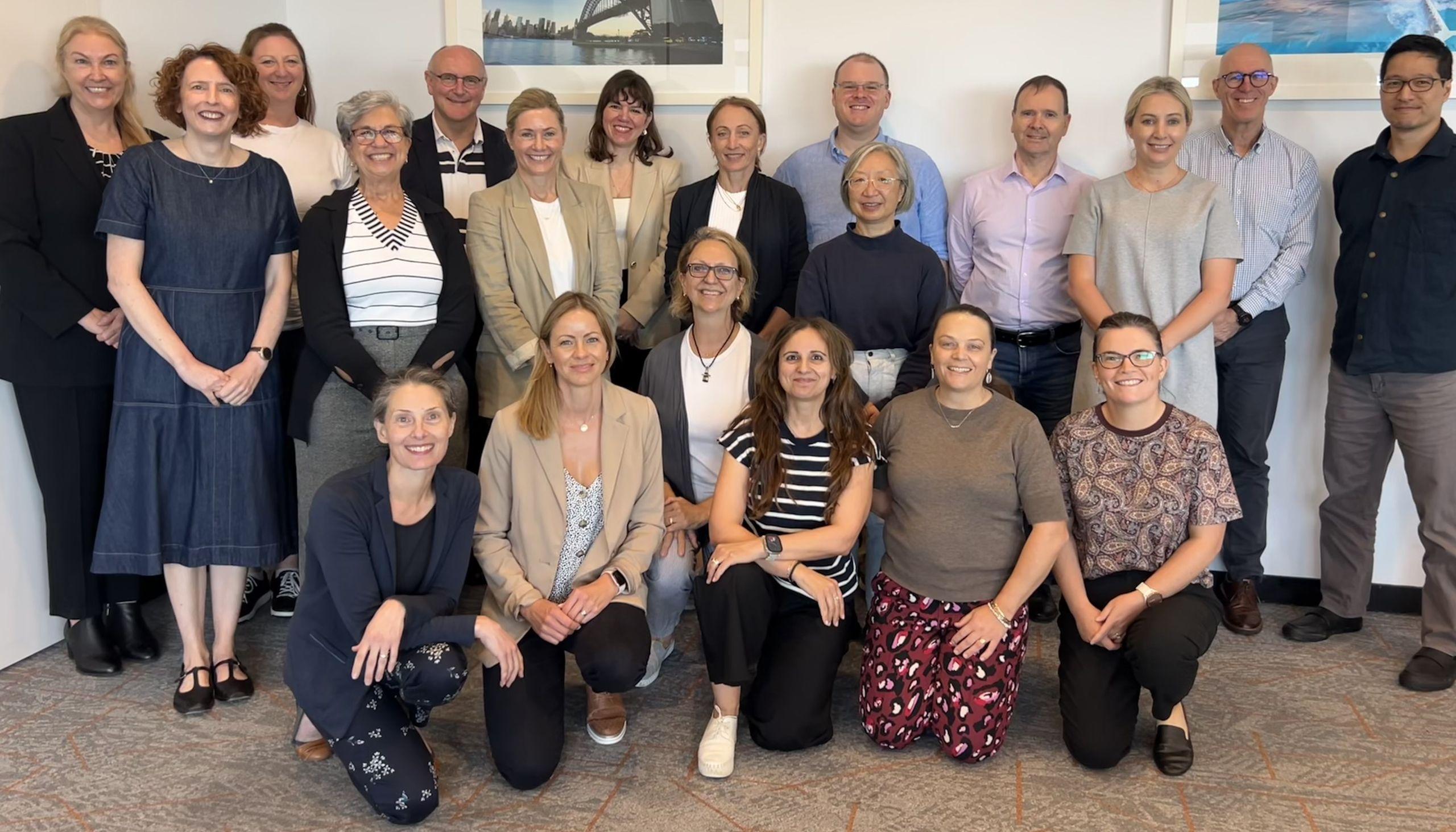
Pictured: National Allergy Council Shared Care Working Group members and staff from the National Allergy Council, A&AA and ASCIA who attended the meeting in Sydney, May 2026.
Access to Care Guideline for safe, quality allergy care
An Access to Care Guideline is being developed by the National Allergy Council to set minimum expectations for the safety, quality and timeliness of allergy care provided in Australia. Healthcare professionals from a range of disciplines and practice settings were invited to participate in a workshop in May to provide input into the guideline from a clinical practice, referral pathway, and service delivery perspectives. Further consultation with people living with allergic disease, healthcare professionals and peak bodies is ongoing.
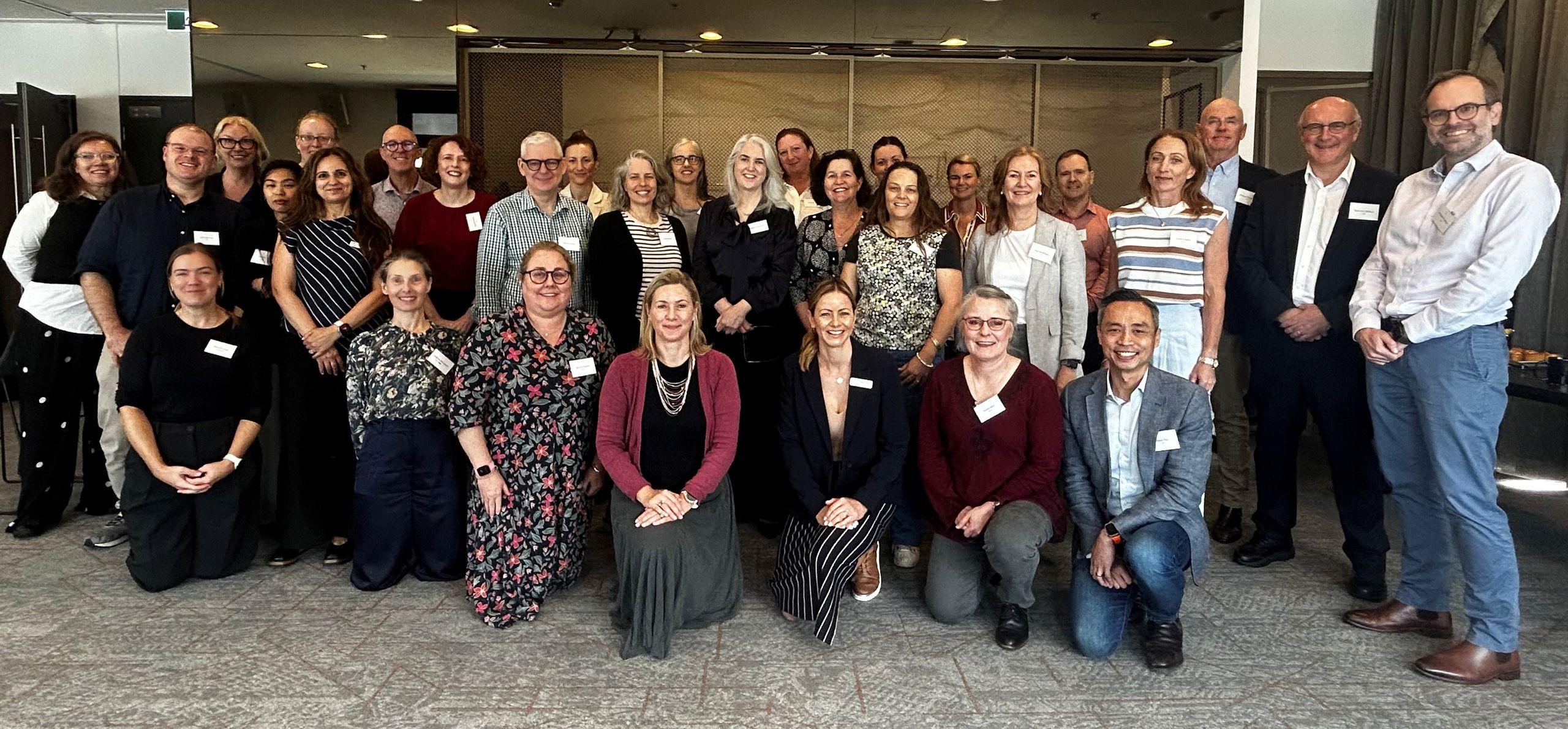
Pictured: Healthcare professionals and staff from the National Allergy Council, and ASCIA at the National Allergy Council workshop, May 2026.
Growing demand sees allergy assist® service continue nationwide
The allergy education and advice platform, allergy assist® is being continued beyond a successful initial trial period. Since launching, more than 850 doctors have registered with allergy assist®, reflecting the increasing need. There has been a strong uptake by GPs and Rural Generalists in regional, rural and remote areas, reflecting two thirds of registrations.
Cases for advice can be submitted via the platform and are responded to within 48 hours by a Clinical immunology/allergy specialist. More than a third of cases submitted for advice relate to possible food allergy. Other common cases are about skin reactions, history of anaphylaxis and drug (medication) allergy.
CRANA 2026 Remote Nursing & Midwifery Conference
Heather Roberts, National Allergy Council Principal Project Officer, presented at the CRANAPlus Remote Nursing and Midwifery Conference held in Perth in May. Heather presented on the Allergy Care and Education (ACE) Nurse pilot. The first cohort of ACE nurses have completed their Professional Certificate of Allergy Nursing and are being supported by a community of practice to set up an allergy education and advice service in their regional area. Evaluation about their experience implementing a primary care service is being collected.